
Reverse mortgages: options for ageing in place without selling the family home
By Clara Kowalski · Updated 2026-07-24
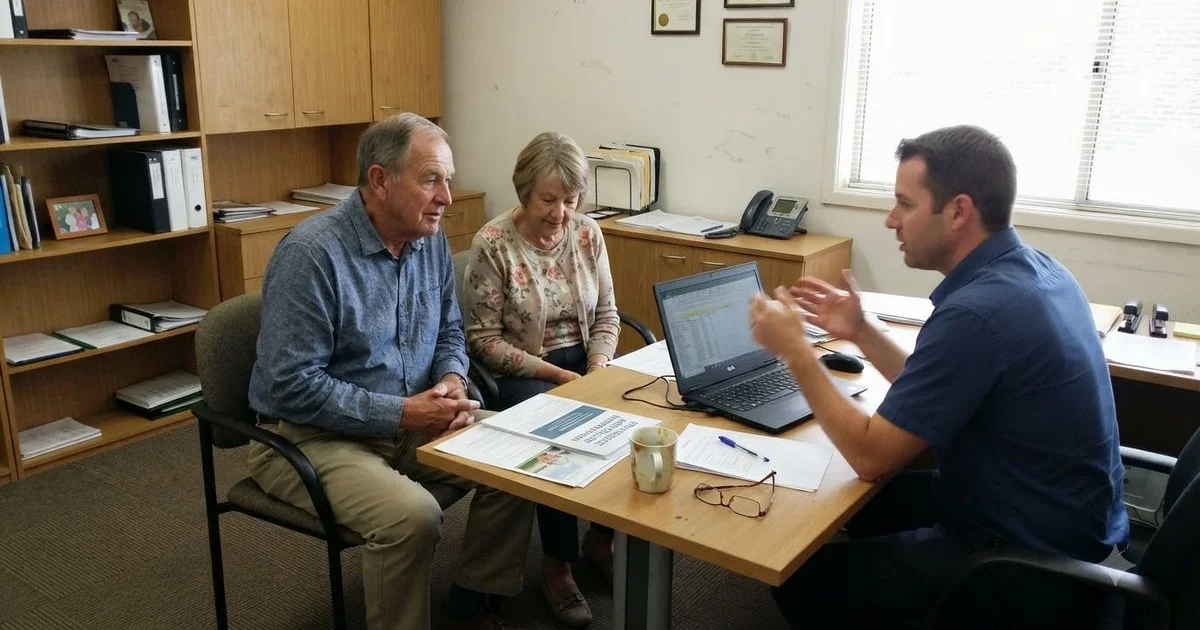
Staying in a long-time family home while still accessing some of its value is the appeal of a reverse mortgage, but the compounding interest structure means it is worth understanding fully before deciding it is the right path.
How a reverse mortgage works
A reverse mortgage lets a homeowner, generally aged 60 or older depending on the lender, borrow against the equity in their home without needing to make regular repayments while they continue living there. Instead of monthly repayments reducing the balance, interest compounds onto the loan over time, meaning the amount owed grows the longer the loan runs. The loan is typically repaid when the home is eventually sold, often when the borrower moves into care or passes away, at which point the estate settles the debt from the sale proceeds.
How much you can typically access
Lenders generally calculate the maximum amount using an age-based percentage of the property’s value, with the available percentage increasing as the borrower gets older, reflecting a shorter expected loan term. The funds can usually be taken as a lump sum, a regular income stream, a line of credit, or a combination, depending on the lender and your needs.

The cost that compounds over time
Because interest is added to the loan balance rather than paid down, the total amount owed grows faster the longer the loan is open, which is the central trade-off to weigh. A reverse mortgage taken out for a modest amount early in retirement can grow substantially over ten or twenty years if left untouched. Most reverse mortgages in Australia include a no negative equity guarantee, meaning you or your estate will never owe more than the home’s eventual sale value, but this does not prevent the loan from consuming a growing share of the property’s equity over time.
Comparing your options
| Option | How it accesses equity | Repayment structure |
|---|---|---|
| Reverse mortgage | Borrow against home equity | No regular repayments; compounds until sale |
| Downsizing | Sell and buy a smaller property | One-off transaction, releases equity as cash |
| Home equity access government scheme | Government loan against home equity, where eligible | Interest accrues, repayable from estate or sale |
| Family arrangement | Family member provides funds or support | Varies, agreed privately |
Talking it through with family
Because a reverse mortgage affects the equity that would otherwise pass to an estate, it is worth discussing openly with family before proceeding, both to manage expectations and because family members are sometimes able to offer an alternative, such as direct financial support, that avoids compounding interest altogether. Family finance conversations cut both ways: our guide on guarantor home loans covers the reverse scenario, parents helping an adult child buy their first home.
Protections built into how these loans are structured
Reverse mortgages in Australia operate under specific consumer protections beyond standard home lending, including the no negative equity guarantee mentioned earlier and a requirement that you receive independent advice before proceeding. Some lenders also offer a stay guarantee, allowing you to remain in the home for as long as you choose to live there, subject to meeting basic loan conditions such as keeping the property insured and maintained. Understanding which specific protections apply to a given lender’s product is worth clarifying directly, since the details can differ.
What to consider about your own timeline
The right amount to borrow through a reverse mortgage often depends on how many years you expect to remain in the home, since interest compounding means a longer timeframe erodes more equity. Borrowing a smaller amount initially, with the option to draw more later if needed through a line of credit structure, can be a more conservative approach than taking a large lump sum upfront if your immediate need is modest.
This is general information about how reverse mortgages typically work and is not personal financial advice. Reverse mortgages are a significant, long-term financial decision, and Australian regulations require lenders to ensure applicants receive independent legal and financial advice before proceeding, which is worth treating as a genuinely useful step rather than a formality.
Comparing reverse mortgage and seniors finance specialists is a sensible way to see how different lenders structure these loans, and our scoring method explains how we assess them. You can browse the wider directory if you want to see all local options.
FAQ
- Do I have to make repayments on a reverse mortgage?
- Not usually while you continue living in the home. Interest compounds onto the loan balance instead, and the loan is typically repaid when the home is eventually sold, or from the estate.
- How much can I borrow against my home?
- Lenders typically use an age-based percentage of your property value, with older borrowers generally able to access a higher percentage. The exact figure depends on the lender and your age.
- Will a reverse mortgage leave nothing for my family to inherit?
- It reduces the equity remaining in the property over time as interest compounds, but most reverse mortgages include a no negative equity guarantee, meaning you or your estate will not owe more than the home is worth.
- Are there alternatives to a reverse mortgage worth considering first?
- Yes, including downsizing, a home equity access style government scheme where available, or a family arrangement. It is worth comparing these before committing, since they carry different trade-offs.