
First home buyer checklist: documents, pre-approval and getting mortgage-ready
By Clara Kowalski · Updated 2026-06-25
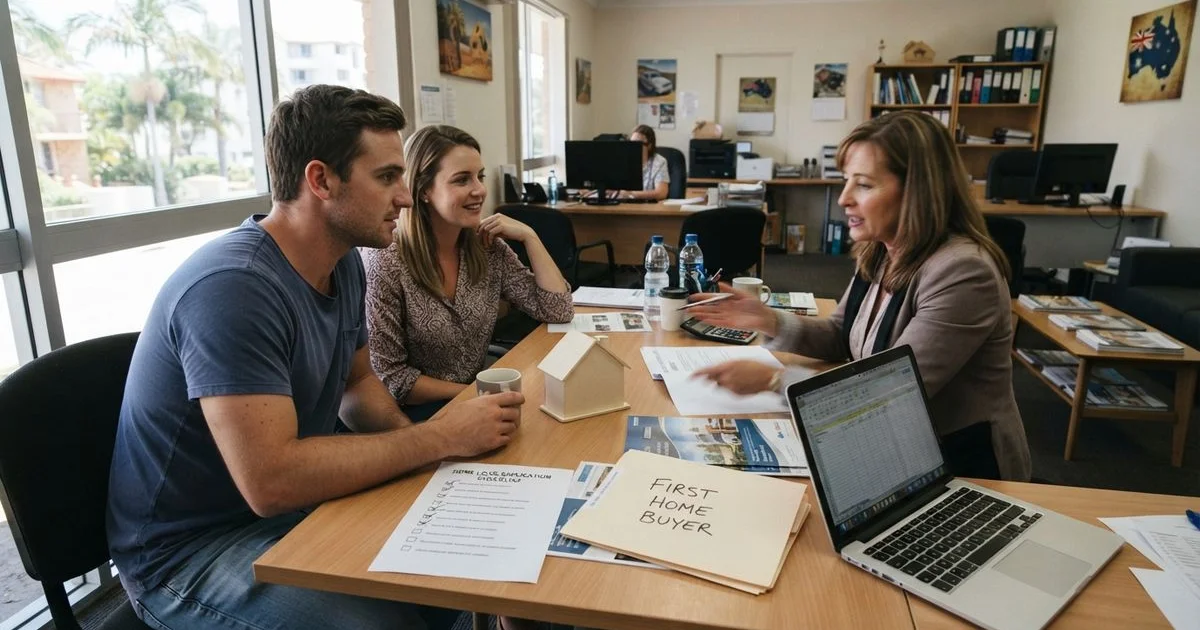
Getting mortgage-ready before you start seriously house hunting saves a lot of stress later. Here is a practical rundown of what to have in order, roughly in the sequence it usually comes up.
Step one: build a clean savings history
Lenders generally want to see genuine savings, meaning funds you have accumulated yourself over a period of time rather than a lump sum that appeared right before you applied. Regular, consistent deposits into a savings account over three to six months tend to look stronger than an irregular pattern, even if the end total is the same.
Step two: gather your core documents
Most lenders and brokers will ask for a similar core set of paperwork:
- Recent payslips, usually the last two to three, or tax returns if you are self-employed.
- Bank statements covering several months, showing savings and everyday spending.
- Identification documents.
- Details of any existing debts: credit cards, car loans, buy-now-pay-later balances.
- Evidence of your deposit source, particularly if any of it is a gift from family.
Having these ready before your first meeting with a broker speeds up everything that follows.

Step three: check your credit position
Review your credit report before applying, since errors or forgotten small debts can affect your borrowing capacity or approval. Paying down credit card balances and closing unused cards you are not using can also improve how a lender views your position.
Step four: get pre-approved
Pre-approval is a conditional indication from a lender of how much you can likely borrow, based on your documents and a preliminary assessment. It is not a guarantee, but it gives you a realistic budget before you start making offers, and it signals to agents and sellers that you are a credible buyer. Pre-approval typically lasts around three months, so timing it close to when you plan to actively search matters.
Step five: check eligibility for government support
Many first home buyers qualify for some combination of grants, stamp duty concessions, or low-deposit guarantee schemes. Checking eligibility early, rather than after you have found a property, avoids missing a scheme with limited places or a strict application timeline.
A few things that trip people up
Applying for new credit, such as a car loan or an extra credit card, in the months before applying can unexpectedly lower your borrowing capacity or complicate your application, since lenders factor in the full limit of any credit product you hold, even if you rarely use it. Similarly, using buy-now-pay-later services shows up on bank statements and can raise questions if used frequently, even where balances are small. Neither of these has to be a dealbreaker, but they are worth being aware of before you start the process rather than discovering them partway through.
Setting a realistic budget alongside pre-approval
Pre-approval tells you what a lender will likely lend, but it is not necessarily what you should borrow. Building in a buffer for ongoing costs beyond the mortgage repayment itself, such as council rates, insurance, and maintenance, gives a more honest picture of what you can comfortably afford before you start attending inspections with a number in mind.
The checklist at a glance
| Stage | What to have ready | Typical timing |
|---|---|---|
| Savings history | 3 to 6 months of consistent deposits | Start early |
| Core documents | Payslips, bank statements, ID, debt details | Before first broker meeting |
| Credit check | Report reviewed, small debts cleared | Before applying |
| Pre-approval | Conditional approval from a lender | Shortly before house hunting |
| Government schemes | Eligibility confirmed | Before making an offer |
Once your documents and savings history are in order, a broker can usually confirm your realistic budget and pre-approval status within a week or two, which turns an abstract goal into a concrete number you can search against.
If you are ready to take the next step, browsing first home buyer specialists is a good place to start, and our scoring method explains how we compare them. You can also explore the wider directory if you want to see all local options first.
FAQ
- How far in advance should I start getting mortgage-ready?
- Ideally three to six months before you plan to seriously start house hunting, mainly to build a clean savings history and gather documents without rushing.
- Do I need pre-approval before I start inspecting properties?
- It is not compulsory, but it is strongly recommended. Pre-approval gives you a realistic budget and makes your offers more credible to sellers and agents.
- What counts as genuine savings?
- Generally funds you have held and accumulated yourself over a period of time, such as regular deposits into a savings account, rather than a lump sum that appeared just before applying.
- How long does pre-approval usually last?
- Typically around three months, though this varies by lender. If your house hunt runs longer, you may need to refresh it.
Related on this site
- Browse first home buyer loans providers
- First home buyer government schemes and grants: what is available and who qualifies
- How to avoid or reduce lenders mortgage insurance
- Guarantor home loans: helping your child buy their first home
- Self-employed and low-doc home loans: what lenders want to see
- All guides →