Self-employed and low-doc home loans: what lenders want to see
By Clara Kowalski · Updated 2026-07-18
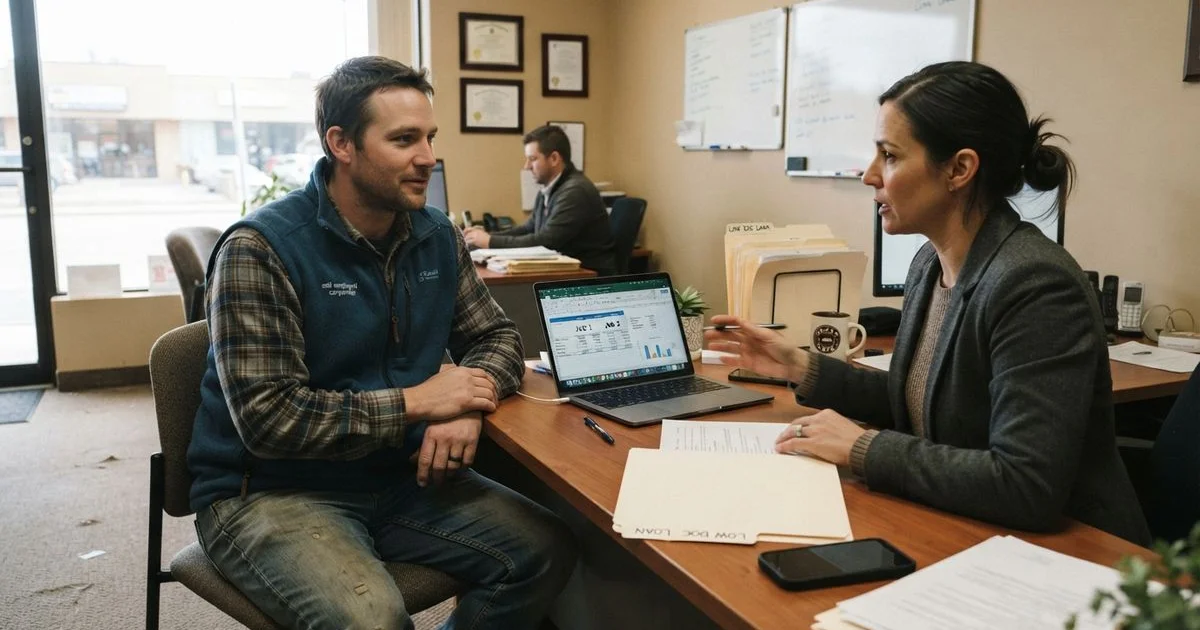
Self-employed borrowers often assume home loans are harder to get, and in some ways they are, mostly because income looks different on paper than it does for a salaried employee. Knowing what lenders actually want to see, and preparing for it ahead of time, makes the whole process considerably smoother.
Why self-employed applications look different
A salaried applicant can usually prove income with a few payslips. A self-employed applicant’s income is spread across tax returns, business financials, and sometimes fluctuates year to year, which means lenders need a different set of documents to build the same picture of reliability. This is not a penalty for being self-employed, it simply reflects that the evidence looks different.
What a standard self-employed application needs
Most lenders want to see two full years of financials: personal and business tax returns, notices of assessment, and often a profit and loss statement or business activity statements for the more recent period. Consistency matters more than the raw income figure, since a steady or growing trend across those two years reads as lower risk than a single strong year on top of weaker ones.

When a low-doc loan comes into play
A low-doc loan is designed for situations where full tax returns are not yet available or do not fully reflect current income, such as a business that has recently grown quickly. Instead of full financials, lenders accept alternative evidence, commonly an accountant’s declaration confirming your income, combined with business activity statements or bank statements. This flexibility usually comes at a cost: low-doc loans often carry a higher interest rate or require a larger deposit, since the lender is taking on more uncertainty.
Comparing the two paths
| Factor | Standard self-employed application | Low-doc loan |
|---|---|---|
| Documents needed | Two years of tax returns and financials | Accountant declaration, BAS, or bank statements |
| Typical rate | Standard market rate | Often higher |
| Deposit requirement | Standard | Often larger |
| Best suited to | Established businesses with clean financials | Newer or rapidly changing businesses |
Strengthening your application
Getting your accountant to prepare financials well ahead of applying, keeping business and personal expenses clearly separated, and being ready to explain any unusual year (a one-off expense, a slow quarter, a change in business structure) all help a lender read your application more confidently. A broker experienced with self-employed applications can also flag which lenders take a more favourable view of your particular industry or income structure, since policies genuinely differ between lenders on this point.
Add-backs and why they matter
Lenders often allow certain business expenses to be added back to your declared income when assessing borrowing capacity, on the basis that these are non-cash or discretionary costs rather than a true reduction in what the business could pay you. Common examples include depreciation, one-off equipment purchases, or additional superannuation contributions above the minimum. Not every lender treats add-backs the same way, and some are more conservative than others, so this is an area where comparing lenders through a broker can genuinely change your assessed borrowing power rather than just the interest rate on offer.
Building a track record before you need it
If you know a home purchase is a year or two away, structuring your business finances with a future loan application in mind can make a real difference. Paying yourself a consistent, documented wage or drawing pattern rather than irregular lump sums, keeping business tax obligations current, and maintaining clean, separate records all build the kind of trading history lenders respond to well. Starting this discipline early, rather than scrambling to tidy things up right before applying, tends to produce a stronger outcome. If this is also your first purchase, our first home buyer checklist covers the wider set of documents and steps to have ready.
Specialists in self-employed and low-doc lending deal with exactly this kind of application regularly, and comparing a few is worth the time before you commit to one path, since policy differences between lenders can be the deciding factor in whether your application is approved smoothly or not. Our scoring method explains how we assess them, and you can browse the wider directory if you want more options first.
FAQ
- How many years of self-employment do I need before I can apply?
- Most lenders prefer at least two years of trading history, though some will consider one year if the business shows strong, consistent income and you can demonstrate relevant industry experience beforehand.
- What is a low-doc loan exactly?
- A low-doc loan accepts alternative evidence of income, such as accountant declarations or business activity statements, instead of the full tax returns a standard application usually requires. It often comes with a higher rate or a larger deposit requirement to offset the lender's additional risk.
- Will fluctuating income count against me?
- Lenders generally look at an average over two years rather than penalising a single lower-earning year, but a clear downward trend can raise questions that are worth addressing upfront with an explanation.
- Is it harder to get approved as a sole trader versus a company director?
- Not inherently. Lenders assess the income evidence and structure either way, though company financials sometimes need extra documentation, like a letter from your accountant confirming your role and drawings.